January 20, 2026
Understanding hair health is not just about aesthetics; it plays a crucial role in your overall well-being. Your hairstylist knows this and often has a treasure trove of tips and insights about maintaining lustrous locks. This article will delve into essential facts about hair health, explaining what your hairstylist wishes you knew.
The Importance of Scalp Health
The scalp is the part of the skin where hair growth originates, consisting of multiple layers that serve specific functions. The outermost layer protects against environmental damage, while deeper layers contain blood vessels and nerves crucial for hair nourishment. The scalp's health significantly impacts hair's vitality and strength since it directly supports hair follicles. A well-nourished scalp ensures that follicles remain active, contributing to consistent hair growth. According to WebMD, approximately 90% of your hair follicles are producing new hair at any given moment, emphasizing the importance of scalp care.
Several common scalp issues, such as dandruff, oily scalp, and fungal infections, can negatively impact hair health, and a knowledgeable hairstylist can help identify these problems. Dandruff often stems from an imbalance in the scalp ecosystem, causing itching and flaking that can affect overall hair appearance. An oily scalp can block hair follicles, reducing their effectiveness and potentially leading to weaker growth or hair loss. By consulting a hairstylist and addressing these conditions promptly, you can maintain a healthy scalp and support strong, vibrant hair.
Maintaining a healthy scalp involves a combination of good hygiene practices and targeted treatments. Regular washing with an appropriate shampoo can help balance oil production and remove buildup. Scalp massages are beneficial for stimulating blood circulation, which enhances nutrient delivery to hair follicles. Incorporating gentle, non-abrasive products that respect the scalp's delicate balance is also crucial. Additionally, staying hydrated and maintaining a balanced diet supports overall scalp health from the inside out.
The Effect of Diet on Hair Health
Diet plays an indispensable role in hair health, with certain nutrients being vital for maintaining its strength and luster. Proteins, vitamins A, D, and E, alongside minerals like zinc and iron, are crucial for hair growth. These nutrients support the production of keratin, the protein that makes up hair strands. A deficiency in these elements can lead to hair thinning, increased shedding, or even hair loss.
Consuming foods that promote hair growth is a proactive step in hair health management. Foods like salmon, which is high in omega-3 fatty acids, promote hair elasticity and shine. Spinach and other leafy greens provide iron, a fundamental mineral for delivering oxygen to hair follicles. Nuts and seeds, containing vitamin E and zinc, help in repairing the hair on a cellular level. By integrating these foods into your diet, you can enhance the growth and resilience of your hair.
Hydration is essential for keeping hair supple and elastic, and a skilled hairstylist can offer tips on maintaining moisture both internally and externally. Dehydrated hair becomes brittle, making it more prone to breakage and split ends. Drinking enough water supports overall body detoxification, which in turn improves nutrient delivery to hair follicles. By following a proper hydration routine recommended by a hairstylist, you can significantly enhance both the health and appearance of your hair.
The Truth About Hair Products
Selecting the right shampoo and conditioner is paramount in establishing a solid hair care regimen. Using moisturizing formulas can help combat dryness, while clarifying products can address excess oil. Finding the right balance helps maintain the scalp's natural oils without stripping necessary moisture. Regular use of suitable products promotes overall hair and scalp health, making every strand look its best.
Decoding ingredient labels on hair products can provide valuable insight into what you are applying to your hair and scalp, and a knowledgeable hairstylist can help interpret these labels. Understanding which chemicals to avoid helps prevent dryness, irritation, and other damage. Beneficial ingredients like argan oil, shea butter, and aloe vera offer deep conditioning and hydration for healthier hair. By consulting a hairstylist and educating yourself about these ingredients, you can make informed choices that support long-term hair health.
Hair masks and treatments serve specialized roles in enhancing the strength and shine of hair. They deliver intense hydration, repair damage, and restore lost nutrients, often using concentrated active ingredients. Regular usage can significantly improve hair's texture and manageability, combating everyday wear and tear. These treatments can be tailored to address specific concerns, such as color protection or split end repair. Incorporating these treatments into your routine offers an added layer of care for lasting hair health.
The Role of Genetics in Hair Health
Genetics plays a significant role in determining hair health, influencing traits such as texture, density, and growth rate. Hereditary conditions like male or female pattern baldness can affect individuals differently based on genetic predisposition. Understanding one's familial hair history can offer insights into potential future issues and guide proactive care strategies. Early awareness and professional guidance can help manage hereditary concerns effectively. Thus, recognizing the genetic component of hair health allows for more personalized care regimens.
Genetic factors significantly determine your hair type and texture, affecting how it reacts to products and treatments. Curly, wavy, straight, and coily hair each have distinct characteristics and care requirements. Embracing your natural hair type allows you to make informed decisions about suitable products and styling techniques. Customizing your hair care regime to accommodate its natural tendencies leads to healthier hair.
Hair loss, whether temporary or permanent, can be distressing and is often influenced by genetic factors. Understanding its underlying cause is vital for choosing the appropriate intervention methods, such as medical treatments or lifestyle adjustments. Stress management, dietary improvements, and seeking professional advice can mitigate hair loss impacts. While genetics may be beyond control, many effective solutions are available to slow or manage its effects. Embracing professional guidance enables individuals to cope with and address hair loss proactively.
The Misconceptions About Haircuts
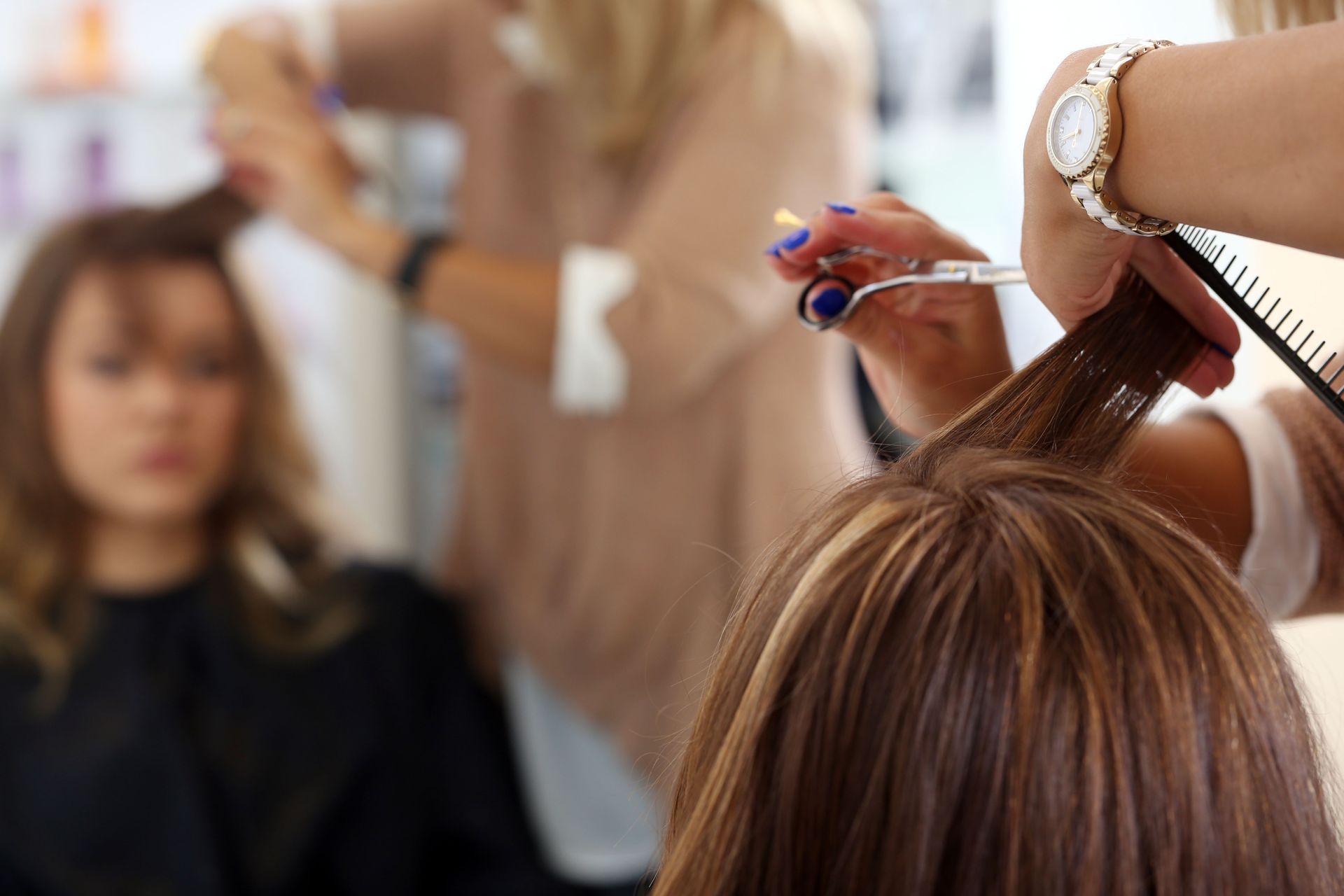
A common misconception is that frequent trims will hasten hair growth, although this isn't necessarily true. Hair growth stems from the scalp's follicles, not the ends of your strands. Regular trims, however, do prevent split ends, reducing breakage which can make hair appear to grow faster. Consistent trims contribute to healthier and fuller-looking hair overall, despite not directly affecting growth rates. Educating oneself on this myth ensures realistic expectations regarding haircuts and growth.
The right haircut complements your hair type, texture, and facial structure, enhancing your overall look. Understanding elements such as density, curl patterns, and coarseness can guide haircut decisions. Consultations with your stylist allow for personalized recommendations that highlight your natural features. Choosing a cut that respects your hair's natural tendencies fosters better manageability and maintenance.
Regular haircuts are essential in maintaining hair health, offering much more than a change in style. They remove damaged, split ends, preventing further breakage and maintaining the hair shaft's integrity. Routine trims also keep hair looking fresh and controlled, making styling and maintenance more manageable. Keeping abreast of minor adjustments enhances the overall structure and visual appeal of your hair.
Hair health is a multifaceted subject that goes beyond just washing and styling. With insights from your hairstylist, you can better understand the intricacies of keeping your hair healthy, strong, and vibrant. By considering factors such as diet, products, genetics, and routine care, you can achieve the hair health you've always desired. For more information on what you can do to keep your hair healthy, contact The Mane Attraction.